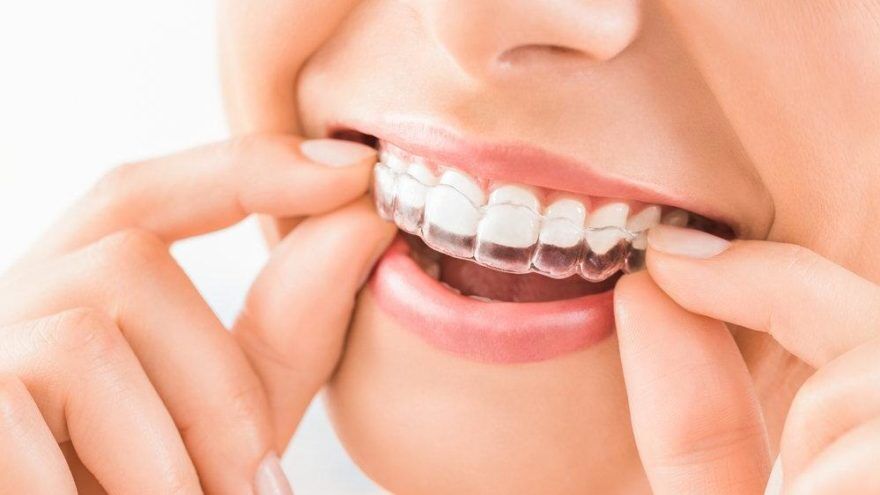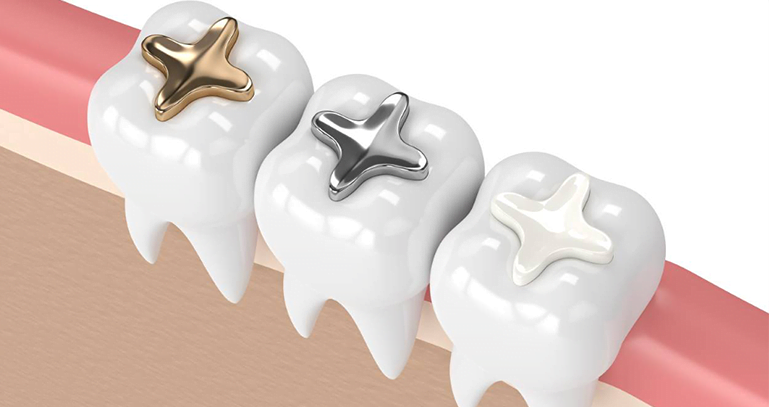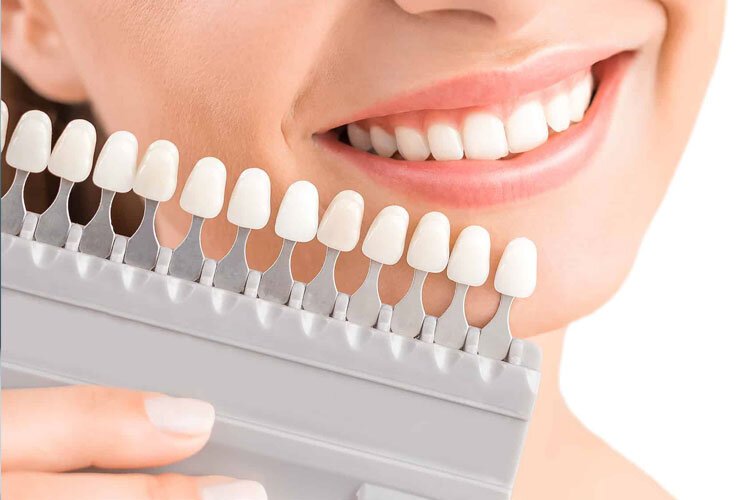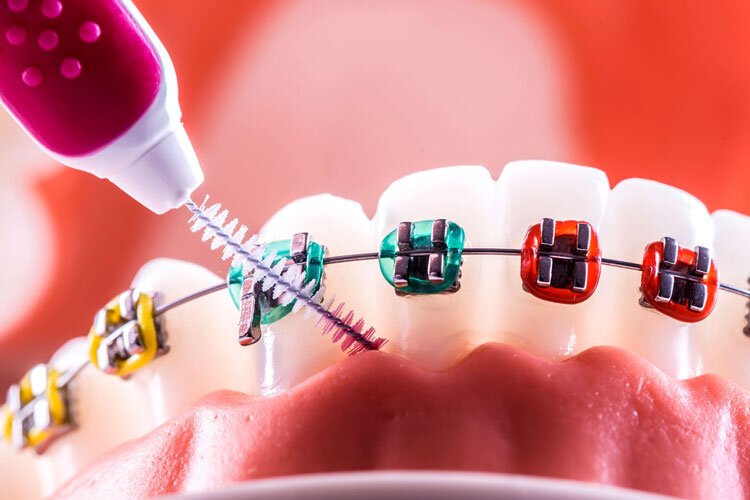






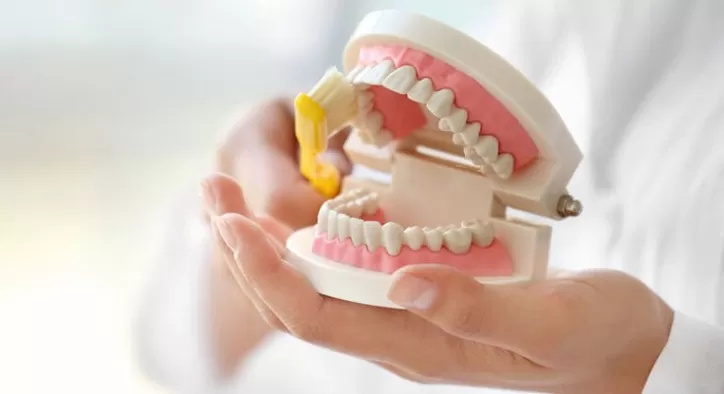
In prosthetic dental care, we focus on restoring or replacing teeth lost due to various causes or physical trauma. This field, often called prosthetic dentistry, includes procedures aimed at restoring both dental function and appearance. People with missing or damaged teeth, whether from external trauma or other reasons, should explore prosthetic dental treatments for a better smile. Additionally, dental prosthetics can also enhance aesthetics.
Content Summary
Personalized prosthetic applications offer a remarkably natural appearance akin to real teeth. Tailored specifically to you, they ensure ease of daily use, providing both functionality and comfort.
Who is Prosthetic Dental Treatment For?
Prosthetic dental treatment is recommended for individuals experiencing:
Tooth loss due to decay or extraction,
Breakage or cracking of teeth,
Gaps or spacing between teeth,
Smile imperfections and aesthetic concerns.
As evident, prosthetic dental treatment addresses both functional and aesthetic needs, making it a popular choice among patients. Given these considerations, it’s fair to say that prosthetic dental treatment is a pivotal and highly sought-after aspect of dental care.
What Methods Are Used in Prosthodontic Treatment?
Prosthodontic treatment offers individuals the option to replace missing teeth with fixed prostheses, eliminating the need for removable dentures. Patients are presented with two primary options: removable and fixed prostheses. These options are tailored to each patient’s specific measurements and dental needs. Given the personalized nature of dental treatment, suitability for each method should be determined accordingly.
Methods utilized in prosthodontic treatment include:
Removable prosthesis
Fixed prosthesis
Patients can express their preference to their dentist regarding their choice between the two options. However, the decision regarding the most suitable method for treatment should ultimately be made by the dentist based on individual circumstances.
Removable Prosthesis
Removable dentures can be considered a viable option for individuals who are unable to use fixed prostheses or have multiple missing teeth. This method is commonly employed in prosthetic dental treatments to address such cases.
How to Apply Removable Prosthesis?
Devices known as clasps are utilized to secure removable prostheses to the teeth and dental tissues, anchoring them firmly to the gum. This method helps maintain stability and cohesion among the teeth. Support for the prosthesis is derived from adjacent teeth, allowing patients to utilize their healthy teeth in place of the missing ones.
Another common application is total prosthesis. Based on an assessment of the patient’s oral condition, teeth that are entirely lost or severely decayed are addressed and restored to a healthy tooth-like form. Total denture treatment is typically recommended for patients who have lost all of their teeth.
Fixed Prosthesis
Fixed prosthesis treatment stands out as one of the most utilized and preferred methods in prosthetic dental treatment. It offers a highly effective solution once a patient’s discomfort has been identified.
Following personalized measurements, dental assessments, and x-ray examinations, a prosthesis is fabricated using materials such as zirconium, titanium, and metal alloys, which are then securely attached to the patient’s mouth. This method, applied to the gums, remains a favored option among patients.
Dentists may directly recommend fixed prosthesis treatment if they deem it suitable, especially in cases involving aesthetic dental procedures. Fixed prosthesis applications are commonly chosen and popular for prosthetic dental treatment.
Various methods fall under the category of fixed prosthetic dental treatment:
- Crown
- Bridge
- Adhesive bridge
- Telescope crown
- Implant
As listed above, crown, bridge, adhesive bridge, telescope crown, and implant methods are commonly employed in fixed prosthesis applications. Among these, implants and bridges are frequently preferred treatment options.
Implant
Implant prosthesis is a commonly discussed treatment option in dental care today. It involves fixing prosthetic devices directly onto the gum using screws. This method is often used to address issues like gaps or missing teeth. Implant prostheses are among the most frequently used fixed prosthetic applications in dental care.
Nowadays, materials like zirconium are often used to coat implants, providing durability and a natural appearance. Fixed prosthesis applications are typically chosen to replace teeth lost due to decay, extraction, or external factors. Implant prosthetics are a popular choice for replacing missing teeth and are considered one of the preferred methods in this field.