






Pedodontics, also known as pediatric dentistry, is a branch of dentistry that focuses on treating dental problems that occur in the baby and permanent teeth of children aged 0 to 12 years. Dentists who specialize in caring for children are called pedodontists
Content Summary
Pediatric dentistry becomes crucial during the shedding of baby teeth. Because children’s dietary habits and behaviors such as thumb sucking can result in premature tooth loss. This can lead to complications with the eruption of permanent teeth, causing delays or misalignment.
Pediatric dental treatment generally covers children up to the age of 12. Dentists continue to provide care for children beyond the age of 12 as they progress through their development. Baby teeth typically start to erupt around 6 months of age, although this timeline can vary from child to child. With a total of 20 milk teeth, these structures differ in composition and are prone to rapid wear and decay.
As a result, it’s essential for children to avoid foods that may contribute to tooth decay.
Around the age of 6, permanent teeth begin to emerge, coinciding with the natural shedding of milk teeth. Sometimes, new permanent teeth may erupt misaligned or irregularly due to issues such as delayed shedding or decay. In such cases, consulting a pedodontist can be beneficial.
How Is Pediatric Dental Treatment Performed?
At the age of 6, permanent teeth begin to emerge alongside milk teeth. However, as previously mentioned, milk teeth have a higher risk of decay due to their unique structure. Consequently, decay in milk teeth during the mixed dentition period requires treatment. Decayed milk teeth can potentially harm the emerging permanent teeth by affecting their roots and external structure.
During this phase, the pedodontics department plays a crucial role in preventing decayed teeth from impacting the new permanent teeth. This not only affects the child’s current dental health but also their overall well-being. If you observe such issues in your child, it’s advisable to consult pedodontists for appropriate treatment.
What Do Pedodontists Do?
Pedodontists are specialized dentists who focus on pediatric dental care, covering treatments for children aged 0 to 12. They perform various tasks, including:
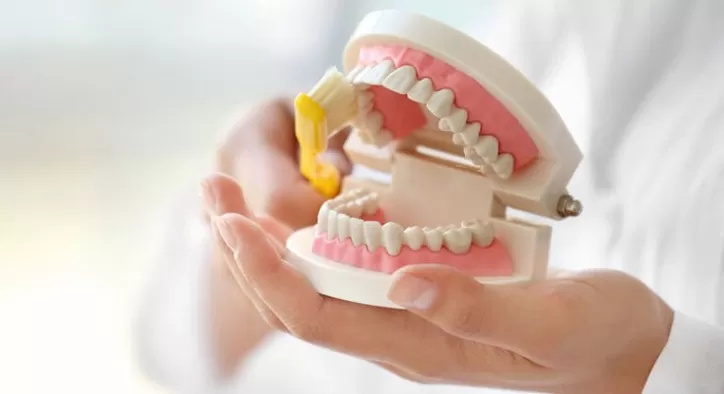
- Providing dental care for children, offering guidance on proper tooth brushing techniques, and educating them about general dental health.
- Treating permanent teeth during the mixed dentition period alongside baby teeth.
- Performing fissure sealing procedures and fluoride applications to prevent tooth decay.
- Educating children about the importance of healthy and balanced nutrition for dental health.
- Addressing and treating cavities that occur in both baby and permanent teeth.
- Applying dental crowns to replace decayed or lost teeth due to cavities.
- Performing root canal treatments.
- Treating dental injuries resulting from accidents.
- Conducting tooth extractions when necessary.
- Providing treatment for inherited dental conditions within families
When should the first dental examination for children be done?
Children’s dental health is crucial as baby teeth are particularly prone to decay. Therefore, fluoride application and fissure sealing treatments are commonly used methods to prevent decay. Additionally, children can have their first dental examination and treatment with pedodontist dentists starting from the age of 1
How to apply conscious sedation for children?
Conscious sedation is utilized to overcome potential fears of dental treatment or pre-existing anxiety in children. This procedure aims to induce a general state of relaxation without affecting the child’s reflexes abruptly, ensuring their comfort during the dental procedure.
Conscious sedation may be administered by the dentist to children who are expected to undergo prolonged or frequent dental treatments and are likely to fear doctors. As there are different types of conscious sedation, your dentist will determine which type is suitable for your child and provide recommendations accordingly.
Conscious sedation can be administered in the following ways:
- Inhalation sedation using gas
- Sedation in the form of syrup or pill
- Injection or medication administered orally
- Medication administered intravenously
Conscious sedation is not solely dependent on medication. It can also be administered through inhalation via the nose, injection, or suppository. Your dentist will determine which type of sedation is appropriate for your child’s needs
What If Sedation Is Not Sufficient?
In some cases, children may need to be completely unconscious to undergo dental treatment effectively. This determination is made by the dentist. General anesthesia allows the child to be completely unconscious during the treatment process, eliminating pain and involuntary movements. General anesthesia procedures are conducted in hospitals due to their more invasive nature.
Since anesthesia carries certain risks, your dentist should inform you of these risks beforehand. Therefore, if sedation is deemed insufficient and poses a hindrance to treatment, your dentist may resort to general anesthesia. In such cases, you will have the opportunity to discuss directly with the anesthesia technician.
This procedure will be performed in a hospital setting and the child will typically be discharged on the same day.