





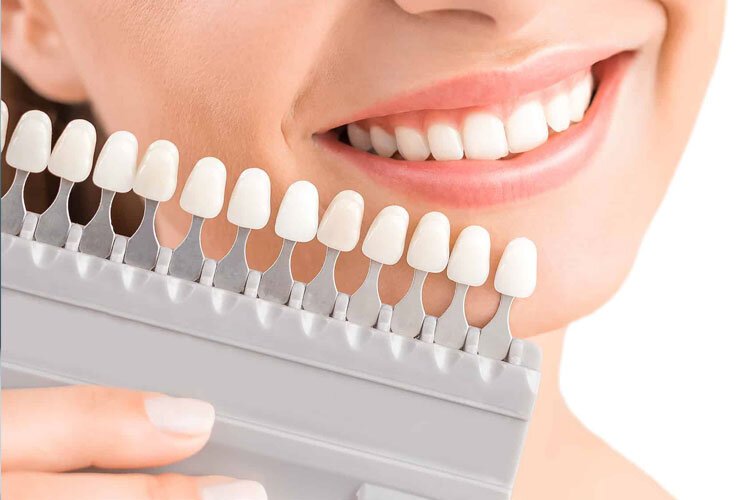
Having white teeth is a key aspect of a captivating smile, making teeth whitening procedures highly sought after today. Factors like dietary habits, smoking, and inconsistent oral hygiene practices contribute to tooth discoloration, prompting many to seek teeth whitening treatments. A bright smile is a universal aspiration, as it significantly enhances one’s appearance. Beyond aesthetics, maintaining white teeth is fundamental for dental health, as tooth decay remains one of the most prevalent dental issues.
Content Summary
Teeth whitening is done through different methods. The color of your teeth depends on your habits. Some people naturally have white teeth, while others have yellowish teeth due to factors like diet and smoking. Smoking, especially, can cause yellowing over time, even with regular brushing, and increase the risk of cavities.
If you’re looking to whiten your teeth, it’s important to consider which method will work best for you. Factors like your current tooth color and the effectiveness of the whitening treatment play a role in determining the best approach.
Office teeth whitening
In-office teeth whitening, often regarded as the most effective method among various teeth whitening techniques, is widely adopted for its efficacy. Tailored to individual needs determined during an initial assessment, this method boasts a higher concentration of peroxide compared to other whitening approaches, resulting in longer-lasting results and greater whitening efficacy.
Pre-treatment teeth cleaning is essential to ensure a permanent and effective teeth whitening process. Following dental calculus removal, the in-office teeth whitening procedure commences. This typically involves multiple sessions, with before-and-after photographs taken to assess the extent of whitening achieved. The number of sessions required is determined based on the desired level of whitening, typically ranging from 2 to 3 stages.
To safeguard the gums from potential damage, a protective gel is applied prior to the whitening procedure. Subsequently, the whitening gel is meticulously applied to the teeth, undergoing 2 or 3 applications at 15-minute intervals. During this period, it is advisable to avoid consuming staining substances such as tobacco, coffee, and tea, which may hinder the whitening process.
At-Home Whitening Solutions
Another method for teeth whitening is the home-based approach. Similar to the in-office method, the color and tone of the patient’s teeth are assessed. Following color determination, the treatment typically proceeds over 2 to 3 sessions, though this may vary based on individual preferences and the degree of whitening desired.
The number of sessions required might need adjustment based on the patient’s preferences and the achieved tooth color after treatment, as the process may need to be repeated until the desired level of whiteness is attained.
As with all teeth whitening methods, the approach is determined through discussion between the patient and the dentist. The desired level of whitening should be communicated to the dentist, and a treatment plan should be agreed upon. Gel application, similar to the in-office procedure, may be part of the process.
Some individuals may experience increased tooth sensitivity during whitening procedures. In such cases, toothpaste and toothbrushes designed to alleviate sensitivity can be used, and consultation with a dentist is recommended for further guidance and support.
What is the Success Rate in the Whitening Process?
It is understood that teeth whitening procedures may not yield the same results for everyone. The primary reason for this is the consumption of products such as tea and cigarettes. Individuals who use such products are typically those who opt for teeth whitening methods. However, due to these consumption habits, the treatment sessions may be prolonged or interrupted.
How Long Does Teeth Whitening Last?
The duration of teeth whitening varies from person to person. To maintain the results of the whitening process for as long as possible, it’s essential to avoid consuming foods and cigarettes that can cause teeth yellowing, particularly during and after the sessions. Following the general recommendations of your doctor and avoiding bleaching substances like cigarettes and tea can help maximize the effectiveness of the teeth whitening process.