





What Are the Types of Implants and Application Techniques?

Types of Implants, Dental implant treatment is one of the methods that most closely resembles natural teeth. It is a highly preferred method due to its natural appearance and long-term use. We will provide information about implants, which are known for their long-lasting use and extremely healthy roots, and their types.
Content Summary
This way, we can assure you that you will be well-informed when making your implant choice.
Tooth loss is not just an aesthetic concern; it also negatively impacts quality of life in many ways, including chewing, speaking, and self-confidence. Fortunately, it is possible to offer permanent and natural-looking solutions with dental implant treatment to replace missing teeth.
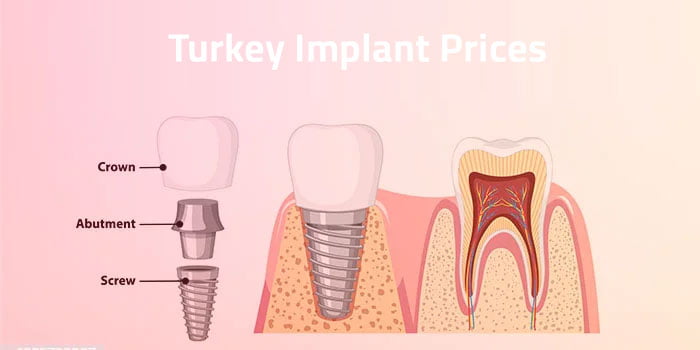
Implants are titanium screws placed in the jawbone that act as natural tooth roots. They support crowns, bridges, or dentures, providing the function and appearance of natural teeth.
Tooth loss is one of the most common and essential conditions that need treatment today. The healthiest and most natural-looking option for replacing a tooth lost due to decay or trauma is, as you might expect, implants. However, there are many types of implants, so your decision might change several times during the selection process. So, what are the types of implants, and how should you decide?
What Are the Types of Implants and How Many Types Are There?
The implants used in the treatment process can be examined in two parts: structurally and application-wise. Let’s take a detailed look at these two different categories together.
| Type of Implant | Description | Application Technique |
|---|---|---|
| Endosteal Implant | The most common type of implant placed into the jawbone. | Surgically placed directly into the jawbone. |
| Subperiosteal Implant | Placed on top of the jawbone, under the gums. | Surgically placed under the gums. |
| Zygoma Implant | Special implants placed in the zygomatic (cheek) bone. | Requires a long and complex surgery. |
| Mini Implant | Small diameter and short implants. | Quickly placed using minimally invasive techniques. |
| All-on-4 | Four implants are used for full-arch dental restoration. | Four implants are placed into the jawbone and a prosthesis is attached. |
Types of Implants by Structure
One of the most critical stages of implant treatment is the examination phase. During this phase, the type of implant and the application method will be determined. Correct placement of implants is crucial for achieving a flawless and natural appearance. Of course, it is also essential for providing a strong and healthy chewing function.
Titanium Dental Implants
Titanium dental implants are artificial tooth roots made from materials that closely resemble natural teeth, used to replace missing teeth or teeth lost due to trauma. These implants, made of titanium, are among the orthopedic implant types and are applied by placing titanium screws into the jawbone. Titanium is considered a biocompatible material, meaning it is recognized by the body as part of itself and is known to be highly compatible with body and bone.
For this reason, titanium implants are one of the most commonly used and preferred types of implants in dental implant treatment. After titanium implant materials are placed into the jawbone, they integrate significantly with the bone tissue, being accepted as part of it. This integration provides patients with a seamless chewing experience.
The material used can be produced in different sizes according to the jaw and tooth structure of the patient, which will be revealed during the examination process.
Ceramic Dental Implants
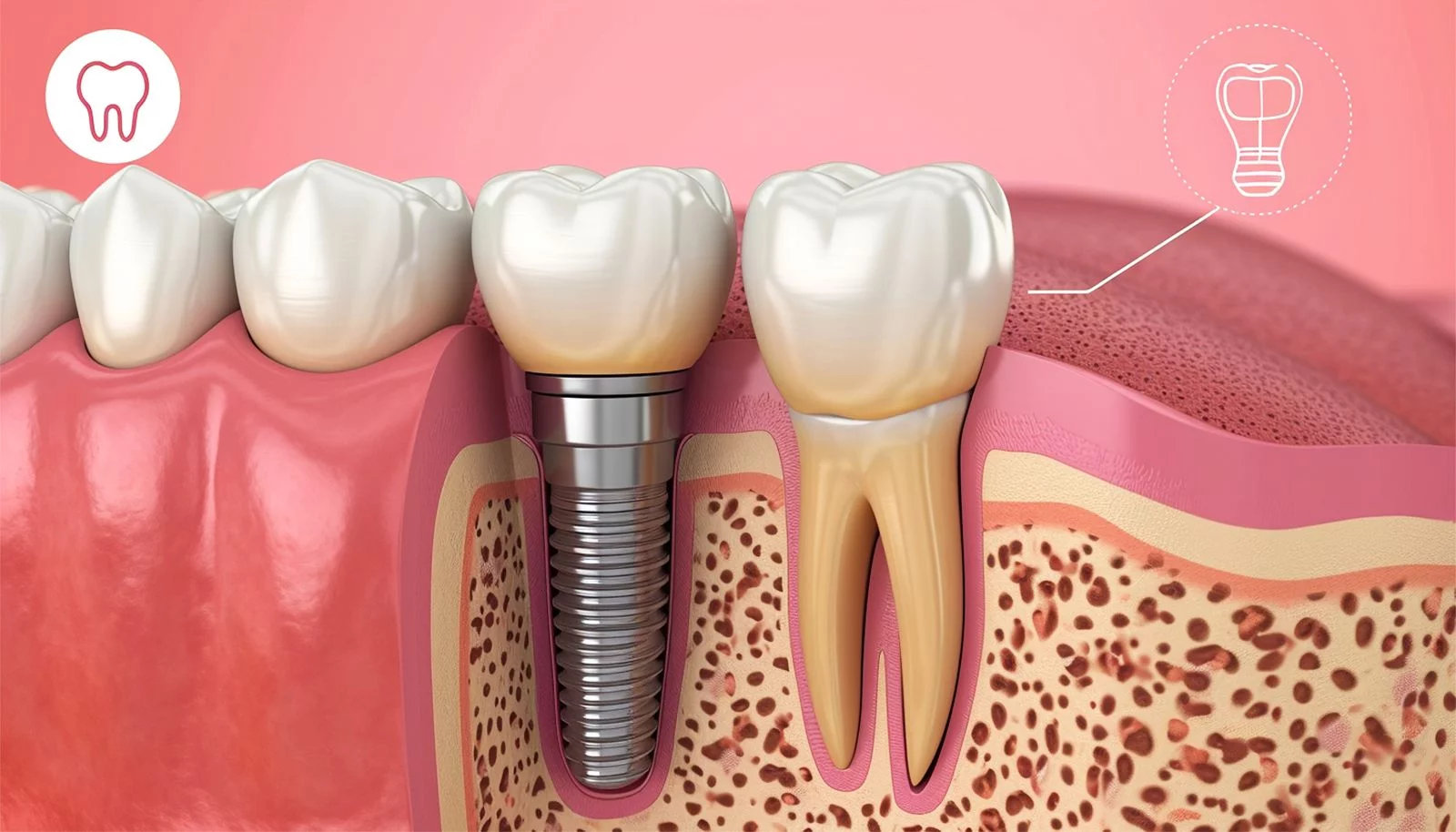
Ceramic dental implants are another highly preferred material due to their natural tooth appearance and aesthetic appeal. In some patients, due to metal allergies that may arise during the treatment process, ceramic implants can be preferred instead of titanium implants. Since ceramic material is also considered biocompatible, it prevents additional complications in the jawbone and mouth, and like titanium, it integrates well with the body.
One-Piece Ceramic Dental Implants
Traditional implants consist of a titanium implant body and a porcelain crown. However, in recent years, one-piece ceramic implants have also been used. These implants are made of ceramic material for both the implant body and the crown.
Features of one-piece ceramic implants:
- More natural appearance: Ceramic is a material that closely matches the color and texture of tooth enamel. Therefore, one-piece ceramic implants provide an indistinguishable appearance from natural teeth.
- Suitable for patients with metal allergies: Since there is no metal in one-piece ceramic implants, they can be safely used in patients with metal allergies.
- Stronger and more durable: Ceramic is a stronger material compared to titanium. Therefore, one-piece ceramic implants offer a long-lasting and durable solution.
- Reduces the risk of gum recession: Because there is no metal in one-piece ceramic implants, there is no metal-gum border around the implant. This reduces the risk of gum recession.
Titanium-Ceramic Implants
Another highly preferred method of dental implant treatment is titanium-ceramic implants. These implants are a model where a ceramic coating is applied over the existing titanium implants. As you might expect, the goal of this type of implant is to take advantage of the biocompatible properties of titanium while achieving a more aesthetic appearance. They are also fully compatible with the jawbone.
Titanium-ceramic implants bring many advantages. Besides providing the most aesthetically pleasing results closest to the appearance of natural teeth, the durable nature of titanium ensures excellent outcomes.
Additionally, since there is no direct contact with metal, the risk of developing a metal allergy is extremely low, making it a highly healthy material. Compared to other materials, the sensitivity to hot and cold is also lower, which is why this type is frequently preferred by our patients.
Types of Implants by Application
Another category in dental implant treatment is the types of implants based on their application. These materials vary according to their contact surface with the gum and jawbone. We have listed these types for you from start to finish. So, what are the types of implants by application, and what should you pay attention to?
Endodontic Implants
Endodontic implants are placed in the cavity inside the tooth and are used to make the existing tooth more durable. These implants are placed in the root part of the tooth and can be made of metal or ceramic materials. Endodontic implants come in screw, cylindrical, and blade forms and are among the frequently preferred and applied types of implants.
Transosseous Dental Implants
Tooth loss is not just an aesthetic concern; it also negatively impacts quality of life in many ways, including chewing, speaking, and self-confidence. Fortunately, it is possible to offer permanent and natural-looking solutions with dental implant treatment to replace missing teeth.
However, in cases such as bone resorption, it can be challenging to apply implant treatment. Bone resorption is a condition characterized by a decrease in the density and amount of bone tissue. This condition can result in insufficient bone tissue for implant placement.
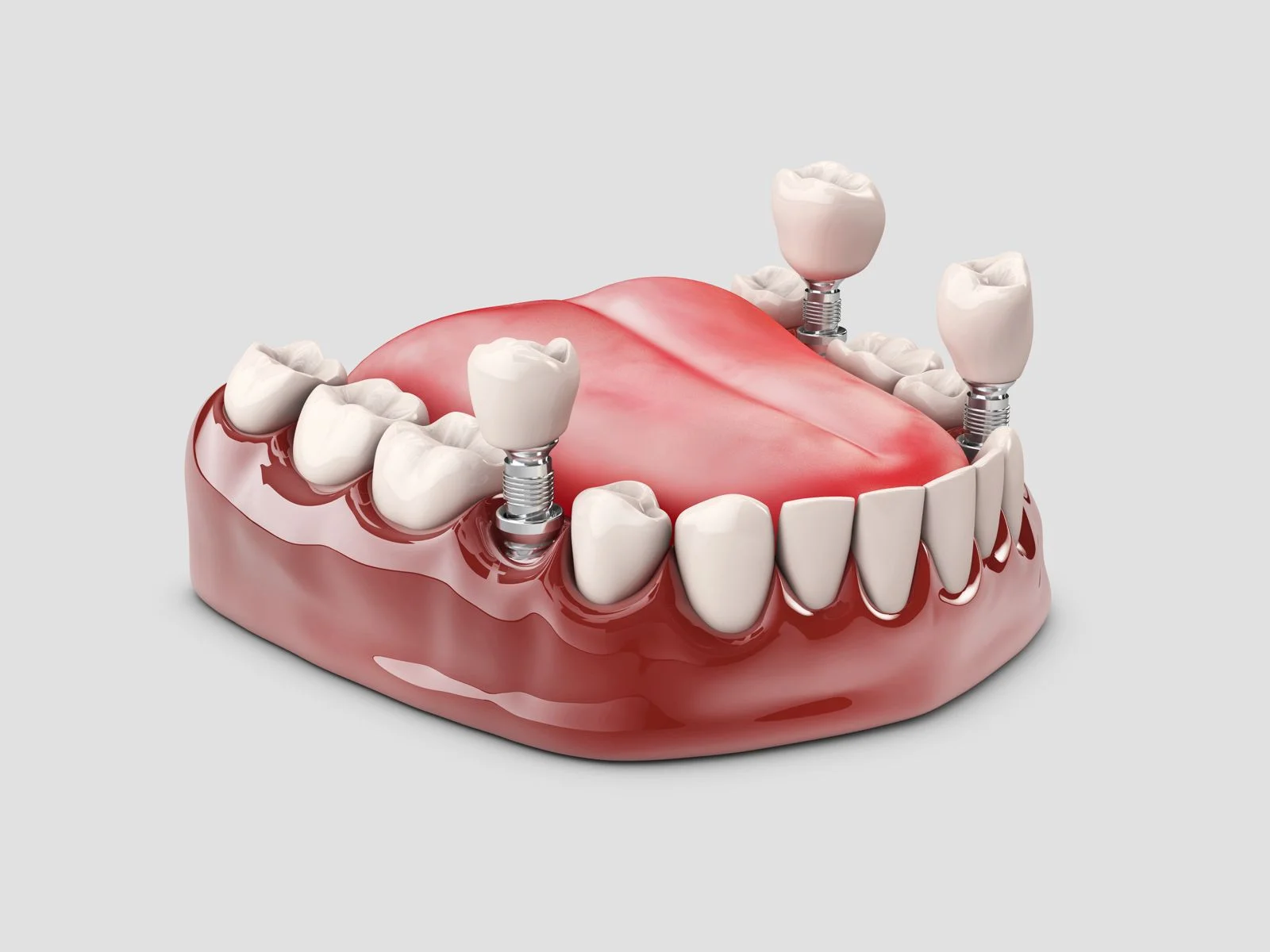
Transosseous dental implants are a special type of implant that makes implant treatment possible even in patients with bone resorption. These implants can be used safely and effectively even when there is insufficient bone tissue. Features of transosseous dental implants include:
- They have a short and wide design.
- This allows them to be placed even in patients with low bone tissue.
- They provide high osseointegration.
- This ensures that the implant integrates with the bone more quickly and firmly.
- The surgery time is shorter.
- They require less bone tissue.
- It is a highly durable and reliable treatment method, especially preferred by patients with bone resorption.
Intramucosal Implants
Intramucosal implants are a type of implant applied directly to the gums. They have a structure similar to the natural tooth root, making them a preferred choice. This type of implant is often used when there is a loss of tooth roots and is typically preferred in cases where the bone is insufficient.
Since it is an application on the gum, it remains attached only to the gum and does not directly anchor to the bone. Because it does not directly contact the bone, the healing process, which can take between 3 to 6 months with other implant types, occurs much faster with intramucosal implants.
The risk of infection is significantly lower with this type of implant.
Subperiosteal Implants
Subperiosteal implants are placed in the area between the gum and the jawbone rather than directly in the jawbone. This type is generally preferred in patients with insufficient bone tissue due to gum recession and similar conditions. It can also be applied in patients whose bone structure is considered unsuitable, as with other types.
Since it does not contact the bone, it is placed in the intervening space. However, compared to other implant types, subperiosteal implants are considered less durable and may carry a risk of tissue damage in the gum.
Endosteal Implants
Endosteal implants are placed directly into the jawbone and, due to their structure resembling tooth roots, they are fixed directly into the bone tissue. Like other implants, they can be applied in cylindrical and screw forms. It is a frequently used type of implant for treating missing teeth.
The Endosteal implant type, which we will apply most accurately in our clinic, is known for its long lifespan and provides very durable and long-lasting use as it directly adheres to the bone tissue.
Endosteal implants are preferred only for patients with suitable bone structure and can only be applied to these patients. Before implant application, detailed measurements are taken, and a hole is drilled into the bone, similar to other types. The endosteal implant is placed into the drilled hole. The procedure is performed under local anesthesia.
Custom Implants and Personalized Implant Treatment
With the advancement of computers and technology, and their use in the health sector, it has become possible to create custom designs and produce personalized implants. Thanks to the latest technology treatment methods we use in our clinic, we can also provide you with a treatment process tailored to your jawbone.
In this case, the preliminary examination we will conduct in our clinic becomes decisive and outlines the roadmap. By making an appointment with us, you can benefit from our personalized implant treatment service and obtain information about our other types during the preliminary consultation.
“If you wish, you can fill out the call me form below our article to leave your information, and we will contact you as soon as possible to answer all your questions about implants. Goodbye.”
This Topic Might Interest You: Dental Implant Treatment in Turkey